


Our distinctive feature is that we do not perform the procedure “by template”. Each case is analyzed in advance, the instruments and technique are selected individually, and the entire process is organized in a way that allows the patient to resolve the problem with the minimum number of visits. This makes treatment predictable and significantly reduces stress.
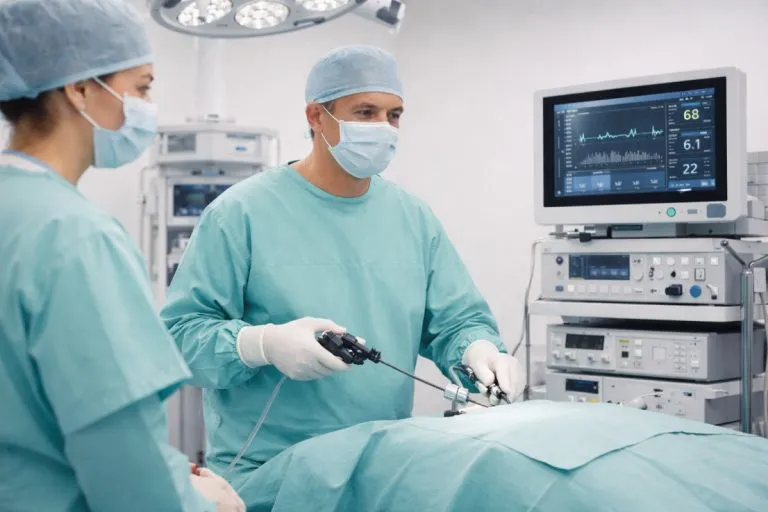
Hysteroscopy
Hysteroscopy is one of the key methods for treating intrauterine pathologies and provides an accurate result without prolonged recovery.
The procedure allows not only to eliminate symptoms but to precisely address their cause. It is a reliable way to restore normal uterine function and improve reproductive health.
- Top-Graduated Doctors
- Expert-Level Equipment
- Experienced Surgical Team
- Transparent Cost Calculation
Doctors of the Specialty
No matter the diagnosis, finding the right doctor is key. These are the specialists patients at New Life Clinic often turn to for related concerns.
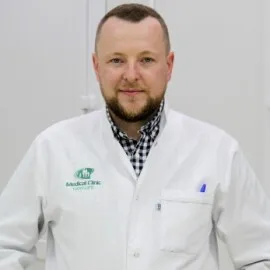
Igor Grynda
Surgeon-gynecologist, reproductive specialist, ultrasound diagnostician
Work experience (years): 23

Yulia Govorukha
Obstetrician-gynecologist, reproductive specialist, ultrasound diagnostician
Work experience (years): 12

Lyudmila Shpura
Obstetrician-gynecologist, reproductive specialist, ultrasound diagnostician
Work experience (years): 15
Cost of Hysteroscopy at New Life Clinic
The cost of hysteroscopy is determined in advance and depends on the volume of the intervention. We explain in detail what is included in each category so the patient understands the final amount even before the procedure is performed.
Diagnostic Hysteroscopy, Category I Complexity
UAH 7,700
Hysteroscopy, Category II Complexity
UAH 10,700
Hysteroscopy, Category III Complexity
UAH 13,800
Patient Reviews
Every recovery story begins with questions and uncertainty. We've gathered honest feedback from patients who have already undergone this treatment – their experience might help you take your own first step toward a solution.
*The language, style, and spelling of the authors have been preserved. Reviews reflect the individual experiences of patients and do not guarantee an identical result in every clinical case.
Benefits of Uterine Polyp Removal at New Life Clinic

Assessment of Complexity Before the Intervention
We do not assign the intervention category after the operation. The scope of work is determined in advance following diagnosis. The patient knows beforehand what exactly the doctor plans to do and how the procedure will take place – with no surprises and no price changes during the process.

Resolving the Problem in One Procedure
We prepare the instruments and surgical tactics in advance to remove the pathology immediately whenever possible – without splitting it into two visits. This saves time and reduces stress before repeat surgery.

Experience With Complex Clinical Cases
Our specialists perform high-complexity interventions: removal of submucosal fibroids, dissection of septa, and work with dense adhesions and synechiae. We confidently manage cases requiring precision and advanced surgical expertise.

Predictable Postoperative Course
Each patient receives a clear recovery plan: timelines, allowed physical activities, and follow-up examinations. We explain which sensations are normal, reducing anxiety and preventing unnecessary return visits.
Procedure Outcomes at New Life Clinic
*Based on the clinic’s statistics for the past 12 months and internal patient feedback.
220+
hysteroscopy procedures performed over the past year
89 %
of patients report improved well-being within the first week
97 %
of patients are willing to recommend hysteroscopy at our clinic
When a Doctor Recommends Hysteroscopy
We recommend hysteroscopy when a standard examination and ultrasound are insufficient to clearly understand the cause of symptoms. Below are the most common situations in which the procedure is truly beneficial.
- Irregular or painful menstruation.
If the cycle becomes painful, prolonged, or accompanied by extended spotting, hysteroscopy helps detect changes in the endometrium, polyps, or adhesions that are not always visible on ultrasound. - Absence of menstruation.
In amenorrhea, it is important to rule out synechiae, scar changes, or other intrauterine obstructions. The procedure allows direct assessment of the uterine cavity. - Pain during intercourse or in the lower abdomen.
When symptoms persist and their cause is unclear, hysteroscopy helps determine whether polyps, adhesions, or inflammatory changes are present. - Difficulty achieving pregnancy.
The procedure is used to assess the condition of the endometrium, remove adhesions and septa, and identify causes of miscarriage. It is an important stage in preparing for pregnancy or IVF. - Bleeding during perimenopause and after menopause.
Even minor spotting at this age requires clarification of the cause. Hysteroscopy allows accurate exclusion of dangerous endometrial changes.
Most intrauterine changes remain unnoticed for a long time. Hysteroscopy helps visualize them directly, remove them if necessary within a single procedure, and restore normal uterine function.
What You Should Know About Hysteroscopy
Hysteroscopy consists of several stages, each important for accurate and safe treatment. Below, we have summarized key points about the types of the procedure, preparation, how it is performed, and situations in which the method is used.
-
Types of Hysteroscopy: Diagnostic and Operative
-
Preparation for the Procedure
-
How Hysteroscopy Is Performed
-
Removal of Polyps and Synechiae Under Camera Guidance
-
Recovery After the Procedure
Frequently Asked Questions
Hysteroscopy often raises concerns and many questions for patients. We have collected the most common ones women ask before the procedure and provided detailed answers. Read them – you may find useful information for yourself. And if any doubts remain, feel free to ask your question using the button below.
-
Is It Necessary to Perform Hysteroscopy If There Is a Polyp or Synechiae?
-
Can the Procedure Be Performed Without General Anesthesia?
-
How Accurately Does the Doctor Understand What Needs to Be Done During the Procedure?
-
What Will I Feel After the Procedure?
-
When Can I Plan Pregnancy After the Procedure?
-
Are There Risks and How Do You Minimize Them?
-
How Long Does It Take to Return to Normal Daily Life?
Leave a Request – We Will Find a Convenient Time for You
Equipment and Facilities at New Life Clinic
Modern operating rooms, precise endoscopic equipment, and meticulously designed examination rooms create conditions in which hysteroscopy is performed calmly and safely. Comfortable interiors, sterility, and attention to detail help patients feel confident at every stage of treatment. Your health and peace of mind are our priority.


The page content has been reviewed and approved by a New Life Clinic physician (Dr. Igor Grynda, surgeon-gynecologist with 22 years of clinical experience).